

It can be hard to set weight loss objectives, like trying to solve a Rubik’s Cube without looking. You turn and twist, hoping for the best, yet you often end up angry. I know what it’s like! It’s important to set realistic goals that will keep you motivated instead of making you feel like you’ve failed. So, let’s talk about how to set those realistic goals and make your trip easier!
Top Takeaways and Key Concepts
Set realistic weekly goals like losing 1–2 pounds to prevent burnout and frustration.
Break big goals into small milestones and celebrate each small win to stay motivated.
Create a supportive environment by surrounding yourself with positive people and healthy choices.
Adjust goals as life changes and stay flexible instead of quitting when setbacks happen.
Stay motivated by knowing your “why” and using reminders like vision boards and progress logs.
Summary of This Article
This article explains how to set realistic weight loss goals that promote long-term success without stress or discouragement. It highlights the importance of understanding personal factors like age, genetics, and lifestyle before creating a plan that fits your body and life. Readers are encouraged to set small, achievable milestones, track progress in multiple ways, and celebrate victories. The article also emphasizes building a positive support system, staying flexible when life changes plans, and using personal motivation—your “why”—to push through challenges. By focusing on sustainable habits instead of quick fixes, weight loss becomes a healthier and more enjoyable journey.
Understanding What “Realistic” Means
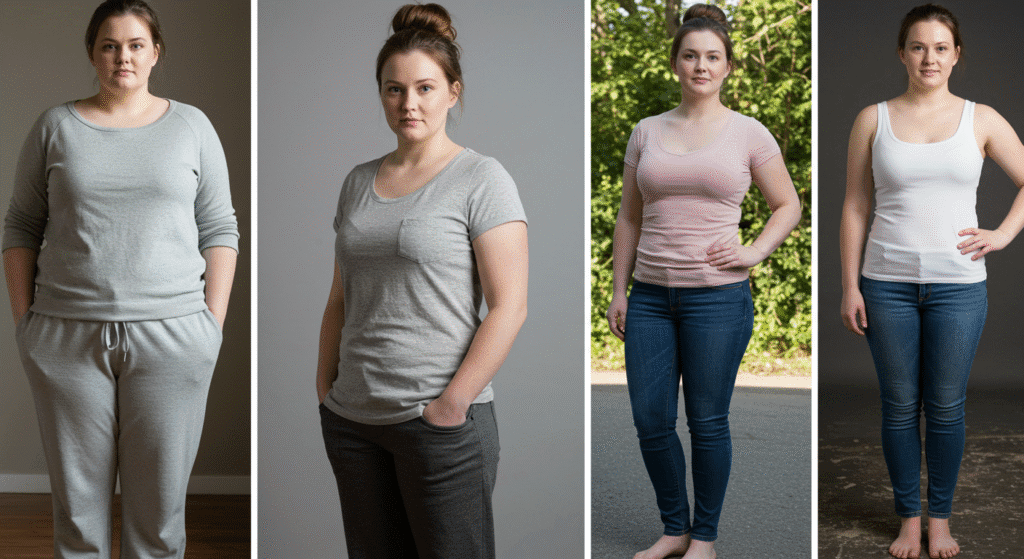
The average person underestimates how much they can eat in a day, but overestimates how much they can eat in one sitting—so if you think you can eat an entire pizza and still lose weight, well, that’s just unrealistic… unless you’re training for a pizza-eating contest!
“Weight loss is not about being skinny; it’s about being healthy.” — Ellen Pompeo
What do we truly mean when we say “realistic weight loss goals”? To be honest, it’s all about knowing your body, your lifestyle, and your own situation. To begin with, a lot of people assume they need to drop a pound or more every day. But the truth is that reducing one to two pounds a week is a healthy and long-term goal. If you go any quicker, you can feel like a deflated balloon—tired and wanting pizza!
I remember when I initially started trying to lose weight. I wanted to lose 30 pounds in just one month. Spoiler alert: that didn’t happen! When the scale didn’t move as quickly as I had intended, I felt overwhelmed and frustrated instead of reaching my objective. Now, I set smaller goals that are much easier to attain and, to be honest, far more fulfilling.
Fun Facts About Realistic Dieting
– Pizza vs. Salad: Studies show that when people think they’re eating a “healthy” salad, they tend to add so many toppings that it can become just as calorie-dense as a slice of pizza—so much for being realistic!
– The 10-Minute Rule: It takes about 10 minutes for your brain to register that you’re full. So if you eat quickly, you might end up feeling like a stuffed turkey before realizing it!
– One Bite Wonders: Research suggests that taking just one bite of dessert can satisfy cravings more than finishing the whole piece—proof that sometimes, less is more (unless it’s chocolate cake!).
Our bodies are like miniature ecosystems that are different from each other in terms of how they work and what they do. It’s like we’re all unique snowflakes, except instead of being cold and fluffy, we’re made up of muscles, fat, water, and a lot of other interesting things. Because everyone is different, there isn’t one way to lose weight that works for everyone. Age, gender, genetics, and even stress levels are all important factors that affect how we lose weight.
Let’s begin with age. As we age, our metabolism begins to slow down. Do you remember when you could eat a whole pizza and still fit into your favorite jeans? Ahh, young people! But as we get older (thanks a lot, maturity), our bodies often need less calories to stay the same weight. So, if you don’t change how you eat as you get older, you could start to gain weight without meaning to.
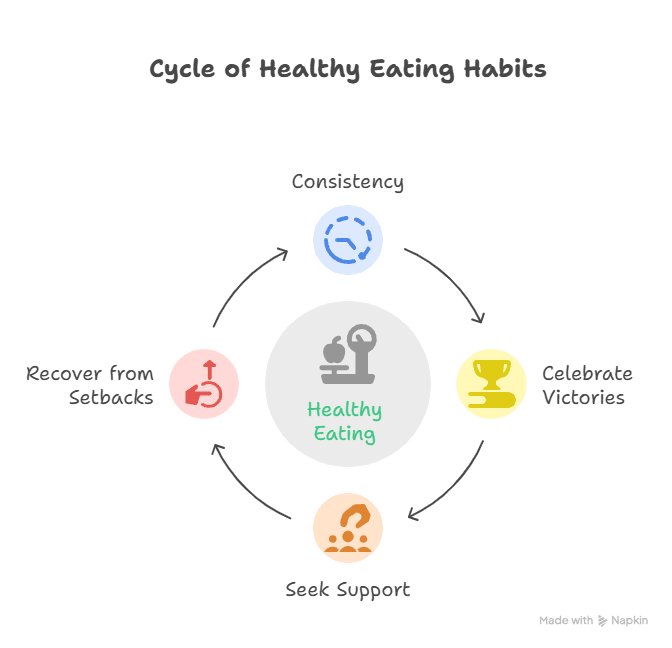
Then there’s the gender. Men and women often have different body types and hormone levels that affect how they store fat and build muscle. For instance, testosterone helps males build more muscle than women do, who usually have greater estrogen levels that let them store fat, especially around the hips and thighs. Biology is a big element of our weight loss experiences!
It’s also important to include genetics, which can affect everything from where we acquire weight to how easy we lose it. Some people may have genes that make them more likely to become obese or have stubborn belly fat. Others may naturally burn calories faster than a cheetah chasing its food! We can’t change our genes (believe me, I’ve tried!), but knowing this can help us establish reasonable goals for ourselves.
And don’t forget about how stressed you are! Have you ever noticed that some people eat comfort food when things are hard? Stress can make you want to eat emotionally or crave high-calorie snacks. For example, you might want donuts instead of veggies. It’s easy to forget about healthy habits when life gets busy or stressful and instead go for fast fixes that only help for a short time and don’t help you reach your long-term goals.
It’s acceptable if what works for one individual doesn’t work for another. The main point is to be aware of these variances in people when making your own plan for living a healthier life. Instead of comparing yourself to someone who seems to be losing weight without any effort (really, how do they do it?), concentrate on discovering ways to lose weight that work for YOU!
Making little modifications that are right for you will work much better than trying every new diet or workout plan you see on social media. Finding what works best for your body is more important than following stringent rules that don’t take into account your own unique needs.
Accepting this uniqueness also makes the journey a lot more fun! As you go through the process, you’ll discover more about yourself, both physically and intellectually. You’ll feel more powerful when you know your strengths and work on your weaknesses. So, be proud of your eccentricities; they make you who you are!
Setting Achievable Milestones
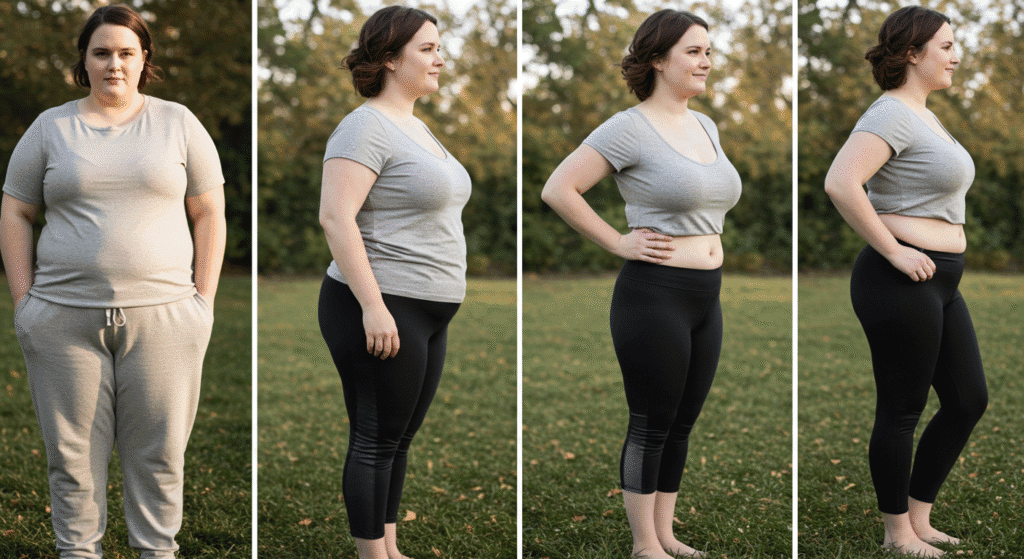
Studies show that people who set small, achievable milestones for weight loss are more likely to succeed—so instead of aiming to lose 20 pounds, try setting a goal to eat one less cookie per week. At this rate, you’ll be a cookie-less superhero in no time!
“Success is the sum of small efforts, repeated day in and day out.” — Robert Collier
Now that you know what practical means for you, it’s time to break those enormous aspirations down into smaller, more manageable pieces (pun intended!). Instead of saying, “I want to lose 50 pounds,” try saying, “This month, I’ll focus on losing 5 pounds.” You can get bigger successes by making small ones without becoming too stressed out.
To be fair, it’s a lot more fun to celebrate these little wins! After you reach each goal, maybe give yourself a treat that isn’t food, like buying new training clothes or going out with friends for a fun day. This positive reinforcement keeps you motivated and reminds you that every step matters.
Fun Facts About Setting Achievable Milestones
– Goal-Setting Gimmicks: People who write down their goals are 42% more likely to achieve them—so grab a sticky note, and make your fridge your new motivational poster!
– The Power of Mini-Milestones: Celebrating small victories can boost motivation; even a single pound lost is worth a mini dance party—just try not to slip on the confetti!
– Visualize Your Victory: Studies show that visualizing success can be as effective as actual practice. So go ahead, picture yourself at the finish line while you’re still in your pajamas!
Another useful idea is to keep track of your success in other ways besides weighing yourself. For example, you might measure how many inches you’ve shed or how your mood or energy levels have changed. Let’s face it: the scale might feel like a friend who only turns up when you least expect it and gives you news that you don’t want to hear. One day you feel great, and the next, it seems like the scale is playing a cruel joke on you. But don’t worry! There are many additional methods to celebrate your progress toward improved health.
First, let’s discuss about those annoying inches. Get a tape measure and start measuring the size of your waist, hips, arms, and thighs. It might look like something from a fitness video from the 1980s, but believe me, these figures can tell a different narrative than what you see on the scale. The number might not have changed much, but if your clothes fit better or you notice that button doesn’t have to fight for its life every time you sit down, then it has. That’s a win for me!
Speaking of successes, have you ever felt more energized after sticking to your healthy habits? It’s like waking up from a drowsy sloth to an active squirrel ready to take on the world! Keeping track of how often you feel motivated over the day might help you remember why you are making these changes in the first place. I used to trudge through my daily activities like a zombie looking for brains (and coffee), but when I started paying more attention to my hydration and nutrition, I started jumping around with excitement.
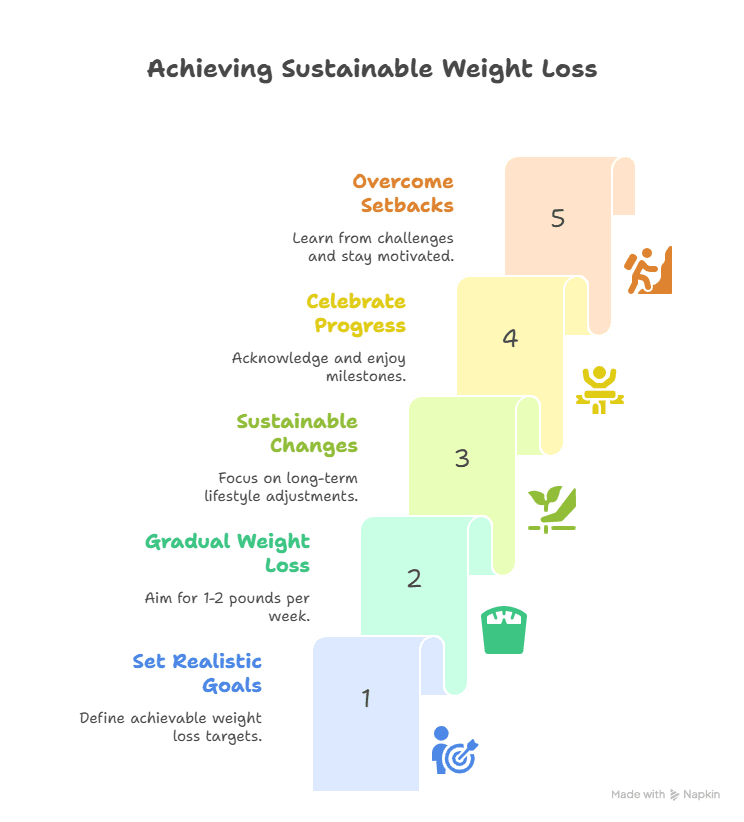
And then there’s mood improvement, which is a very important part of losing weight that we frequently forget about. Have you ever noticed that some foods make you feel light and others make you feel heavy? You may learn how different foods affect your health by keeping track of both your emotions and your physical changes. And what about when those endorphins kick in after a nice workout or when you’ve made another healthy meal choice? Talk about feeling like a superhero or superwoman!
Now things get very interesting: occasionally, non-scale successes can be more important than those brief moments of happiness that come from seeing lower numbers on that evil thing we call a scale. You might celebrate minor wins like finishing an extra set at the gym or choosing salad over fries when you go out to lunch with friends. These are small wins that add up to big wins over time.
In the end, keeping track of progress is all on how you look at it! Instead than only focusing on what the scale says each week (which might change for many reasons), expand your definition of success by recognizing different aspects of wellbeing along the way. Accept every inch you lose and every burst of energy; they mean more than just numbers.
This change in thinking will help us stay motivated and remind us why we started making better choices in the first place: it’s not only about losing weight; it’s about feeling good inside and out! So go ahead and get that tape measure. Write down all of your small wins; they are worth celebrating!
Creating a Supportive Environment

Having a supportive environment for weight loss can be as effective as the diet itself—just remember, if your friends are eating pizza while you’re munching on celery sticks, you might need to consider getting new friends or invest in some seriously good blindfolds!
“I think the biggest thing is to find what works for you and what makes you feel good.” — Jennifer Aniston
Having support can make a huge difference in your weight reduction journey when it comes to motivation. Having friends or family that cheer you on and support your goals might help you stay accountable and positive when things get tough.
Sharing your goals with other people, such on social media, can also make you more responsible for them. When other people cheer you on, it feels amazing, but it also makes you feel like you have to keep going when things become rough (in a positive way). Keep in mind that everyone has their own problems; no one is flawless!
Fun Facts About Creating a Supportive Environment
– Snack Attack Squad: Having friends who snack healthy with you can boost your chances of sticking to your diet—because misery loves company, but so does celery!
– Cheerleaders Unite: Studies show that people with supportive social networks lose more weight. So gather your squad and turn those “You got this!” cheers into a workout playlist!
– Kitchen Makeover Magic: Simply rearranging your kitchen to make healthy foods more accessible can trick you into eating better—who knew that hiding the cookies in the back could be such a game changer?
But if someone is trying to ruin your work (you know who they are), don’t be afraid to stay away from criticism! It’s incredible how one person can ruin our best plans. You might have a friend or family member who rolls their eyes when you talk about your new workout plan or makes fun of your salad choice as they eat a slice of pizza. Ugh! Why does it seem like some people like bringing us down?
You deserve to be in a place where everything is positive and success feels certain. When you have people around you who are cheering you on, it’s like having your own personal cheerleading squad, but without the pom-poms and bad dancing steps. These positive voices might help you stay motivated and on track with your goals.
Let’s be honest for a second. Setting limits with negative people can be hard, especially if they are close to you. I mean, who wants to make someone else feel bad? But here’s the thing: putting your health and happiness first doesn’t mean you’re selfish; it means you’re smart! When you start to notice those interactions that sap your energy and make a conscious choice to restrict them, you’re basically saying “no” to the bad things that are holding you back.
It’s interesting that being around positive individuals might also make other people want to improve. After witnessing how pleased and energized you are after working out, that friend who usually brings donuts to work could think twice or even want to join you on your road to better health. You never know how your dedication might affect other people.
And if you want to make things more positive, think about joining groups or communities that focus on health and fitness. These places can help people feel better instead of doubtful, whether it’s an online forum with people who think the same way or a local running club where everyone gives suggestions and support. Think about talking to someone who gets excited about meal planning or offers their favorite healthy recipes without judging you. That’s the kind of attitude we all need!
Finding accountability partners is another great method to make your surroundings more positive, in fact. Having someone with you, like a gym buddy or a friend who checks in on your progress, can help keep negative thoughts at bay and push each other through tough times.
So keep this in mind: You have the right to make your goals a positive place to be. Stay away from those who don’t get what you’re trying to do or who don’t appreciate it. Life is too short for bad vibes! Get people around you that encourage you and don’t bring you down. After all, we all rise together, and maybe we’ll have some fun workouts along the way!
Adjusting Your Goals Along the Way
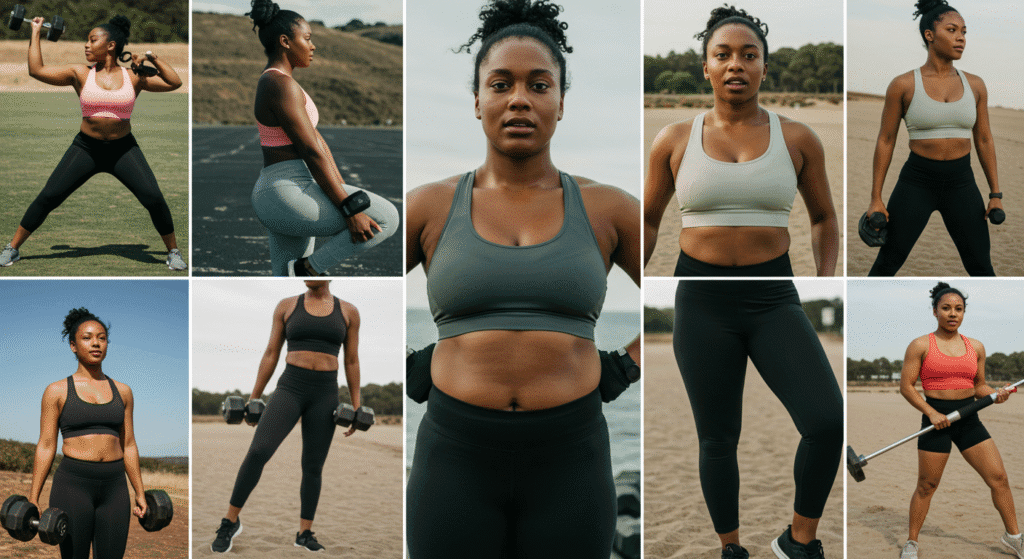
If you find yourself adjusting your weight loss goals more often than your workout playlist, just remember: even GPS recalculates when you take a wrong turn—so don’t be afraid to reroute to get back on track!
“Success is the sum of small efforts, repeated day in and day out.” — Robert Collier
As life goes on, believe me, things rarely happen as planned! Things happen that you don’t expect, like when work gets busy or family obligations come up that mess up your schedule. That doesn’t imply you should give up completely; instead, think about changing those goals as you go.
For example, if you can’t reach your weekly goal because of unexpected events (like the holiday season), take a step back and think about what’s realistic for you right now without being too hard on yourself. Flexibility is important here; when things get busy, you may need to focus on keeping your weight stable instead of actively lowering it.
From my own experience, life happens! Sometimes it feels like a cosmic joke, doesn’t it? Just when you think you know everything, something comes up that messes up your plans. There were weeks when the only exercise I got was strolling around grocery shops and trying not to eat all the samples. I still regard it as movement! I mean, have you ever attempted to say no to those little cups of goodness? It’s almost like a workout for self-control!
Fun Facts About Adjusting Your Goals Along the Way
– Goal-Setting Gymnastics: Studies suggest that people who adjust their goals are more likely to succeed. So, if your goal is a six-pack but you’re currently sporting a keg, embrace the journey and aim for “one pack” first!
– Flexible Fitness: Research shows that being too rigid with your goals can lead to burnout. Think of it like yoga for your diet—flexibility is key to avoiding a meltdown over missed milestones!
– The Power of Mini Wins: Celebrating small achievements, like choosing veggies over chips, releases feel-good hormones. It’s basically nature’s way of saying, “You did it! Now go reward yourself… with another carrot!”
The truth is that we all have a lot on our plates, whether it’s work, family, or just trying to keep up with our Netflix queue. So don’t feel bad if you can’t fit in a full workout session because of everything else going on in your life. Instead of trying to be perfect, like being the next fitness star overnight, focus on being consistent. That involves being there for oneself on a daily basis, even if it looks different from day to day.
I remember one really busy week when my ambitious intention to go to the gym came apart faster than my New Year’s resolutions. Instead of giving up and having a full-on pity party (which would have meant too many bags of chips), I chose to do what I could: brief walks during lunch breaks and some light stretching while binge-watching my favorite program. Sure, it wasn’t exactly “sweating it out” at the gym, but every little bit counts!
This method can actually lead to some unforeseen benefits, which is interesting. Those trips to the grocery store became short cardio workouts where I raced against time (and my own urges) while I picked out healthful items. I not only got some exercise, but I also made better choices because I was moving around instead of aimlessly snacking at home. It was less about strict schedules and more about making activity a part of daily life.
Let’s be honest: no one is flawless! There are times when we all feel like our motivation is hiding beneath the couch cushions alongside the remote control you lost three weeks ago. The most important thing is to remember that these times are part of the journey, not obstacles! You’re on the right track as long as you keep trying to move your body and make healthier choices most of the time.
Remember that being consistent is better than being perfect when it comes to reaching our goals. Think about how little things add up over time. They build up momentum that keeps us moving forward, even when things get crazy. So go ahead and celebrate those small wins, like picking water over soda or taking the stairs instead of the elevator. Every step counts!
And speaking of steps (pun intended!), having realistic goals can help you stay motivated through good and bad times. If you want to make progress slowly instead of quickly, you can enjoy each step along the way without feeling overwhelmed by goals that are too hard to reach.
So the next time life throws you a curveball or tries to get you to buy something at Costco, remember that there are numerous ways to move. Whether you’re walking down the aisles or doing yoga poses between episodes of your favorite show, keep moving toward your objectives!
Staying Motivated Through Challenges
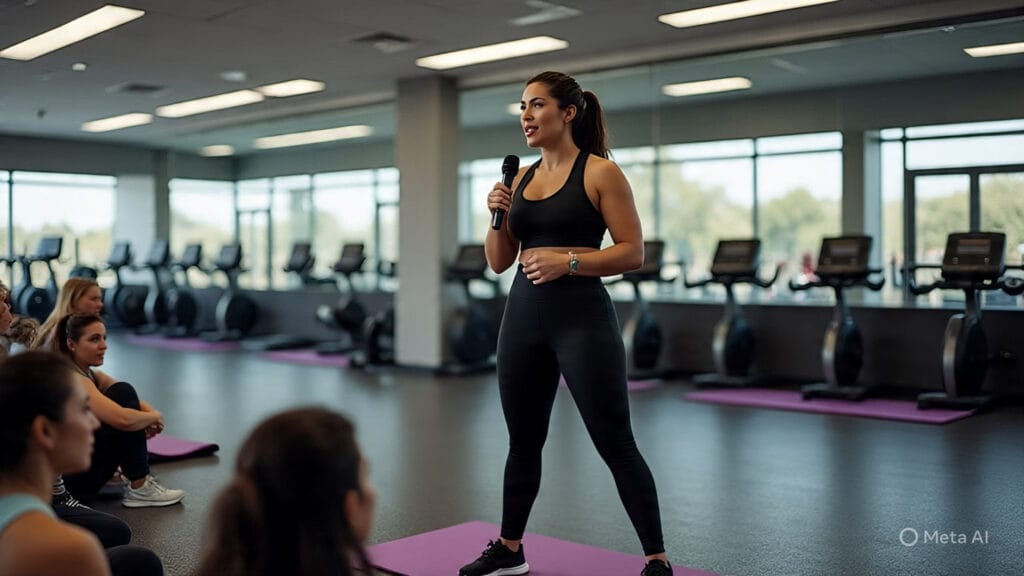
If you ever feel unmotivated, just remember: even the most dedicated gym-goers occasionally skip a workout for “important” reasons—like binge-watching an entire season of their favorite show. Motivation is all about finding your own version of Netflix!
“Weight loss doesn’t begin in the kitchen with carrots and lettuce. It begins in your head with a decision.” — John C. Maxwell
Let’s face it; there will be days when motivation wanes like summer sunlight disappearing behind clouds—a total bummer! When setbacks occur—or heaven forbid—the scale creeps back up despite your efforts—it’s essential not just mentally prepare but also have strategies ready at hand for staying motivated through these challenges.
A fantastic trick I use involves visualizing why I started this journey in the first place—what drove me initially? You know, those moments when you catch a glimpse of yourself in the mirror and think, “Wow, that could be better”? For me, it was all about wanting more energy to keep up with my kids and feeling confident enough to rock that cute dress hanging in my closet. Whatever resonates most strongly should act as fuel during tougher moments ahead!
Fun Facts for Staying Motivated Through Challenges
– Snack Attack Psychology: Research shows that people are more likely to stick to their diet when they have a “cheat day” planned. It’s like telling your brain, “I can resist broccoli today because pizza is coming tomorrow!”
– Motivation from Munchies: Did you know that eating foods rich in omega-3s, like salmon and walnuts, can boost your mood? So, if you’re feeling down about that salad, just remember—salmon has your back!
– The Power of Playlist Pump-Up: Listening to upbeat music while working out can make the experience feel 30% easier. So crank up those tunes and dance away the calories—just don’t trip over your own motivation!
We all have days when we can’t find the motivation to do anything. You might have hit the snooze button too many times or spent too much time looking at a pizza menu instead of cooking a nutritious dinner. At those times, it’s important for me to remember my “why.” It’s like having a cheerleader inside of you that yells, “Hey! Do you remember how good you felt when you were active? Or how great that clothing made you look?”
It’s interesting how powerful it may be to close my eyes for a few minutes and imagine my goals. I picture myself full of energy when I play tag with my kids or walk into social events with confidence, without worried about what other people might think. This mental imagery isn’t simply daydreaming; it keeps me going when I want to give in to temptation.
But here’s where it becomes even more interesting: the emotional connection to these images might influence how people act for a long time. When I think of how fantastic it feels to climb stairs without getting out of breath or how much fun it is to run around without getting tired, I’m not just remembering things; I’m reigniting the flame that got me started on this road! It goes from being just another item on my to-do list to something important.
And don’t forget to write down these reasons! I make a vision board with photographs of my goals, such bright fruits and vegetables for health or pictures of people having fun, to remind me every day why I’m working hard. Putting this board wherever I can see it, like right next to the fridge, keeps me focused and inspired every time I reach for a snack.
There will be times when self-doubt comes to your party like an uninvited guest. Remembering earlier successes might also help you stay strong during difficult times. Remember when you did really well in your previous workout or made better choices when you went out to eat? Those things show that you can reach your goals! So don’t be afraid to celebrate those successes, even if they seem minor.
Thinking about why you started can help you get through tough times and put things in perspective when things aren’t going as planned. When life throws you curveballs (and let’s be honest, it will), lean on your original reasons for support instead of letting them fade away like last year’s fashion trends!
So keep this in mind: when things get hard—and they will—take a moment to think about what made you start this adventure in the first place. Put all that passion and energy into every step you take, because in the end, it’s not just about losing weight; it’s also about feeling good about yourself and living life to the fullest!
Suggested Resources:
How To Set Realistic Weight Loss Goals
https://www.healthline.com/nutrition/realistic-weight-loss-goals
SMART Goals for Weight Loss
https://www.webmd.com/diet/features/smart-goals-for-weight-loss
The Importance of Setting Realistic Fitness Goals
https://www.mayoclinic.org/healthy-lifestyle/weight-loss/in-depth/importance-of-setting-realistic-fitness-goals/art-20457435
Tips for Setting Achievable Weight Loss Goals
https://www.nhlbi.nih.gov/health-topics/tips-for-setting-achievable-weight-loss-goals
Real-Life Strategies for Weight Loss Success
https://www.cdc.gov/healthyweight/losing_weight/index.html
Frequently Asked Questions
What is a realistic weight loss goal per week?
Losing 1–2 pounds per week is considered safe and sustainable, helping you avoid burnout and frustration while building long-term habits.
Why should I break big weight loss goals into smaller milestones?
Small milestones make progress feel achievable, boost motivation, and create more opportunities to celebrate wins along the journey.
How does my environment affect my weight loss success?
A supportive environment with positive people and healthy choices helps you stay consistent and reduces the chances of slipping into old habits.
Should I adjust my goals if life gets busy?
Yes, adjusting goals during stressful or busy periods keeps you flexible and prevents discouragement, helping you stay on track long-term.
Why is knowing my “why” important for weight loss?
Your “why” provides emotional motivation, helping you push through setbacks and stay committed even when progress slows.
Are small wins really important for weight loss?
Yes, celebrating small wins builds confidence, improves motivation, and reinforces the healthy habits that create long-term success.
What factors influence how realistic my goals should be?
Age, genetics, lifestyle, stress levels, and health history all affect weight loss speed and should guide how you set personal, realistic goals.

Kevin Collier is a passionate health writer specializing in fat loss, weight loss strategies, and effective dieting techniques. With an emphasis on evidence-based approaches, he aims to provide readers with actionable insights that simplify the journey to achieving their weight loss goals. At TapFat.com, Kevin shares practical advice, tips, and motivational content to empower individuals to make informed choices about their diet and lifestyle. His mission is to support others in their pursuit of a healthier, fitter self, demystifying the weight loss process and celebrating each step toward success.